

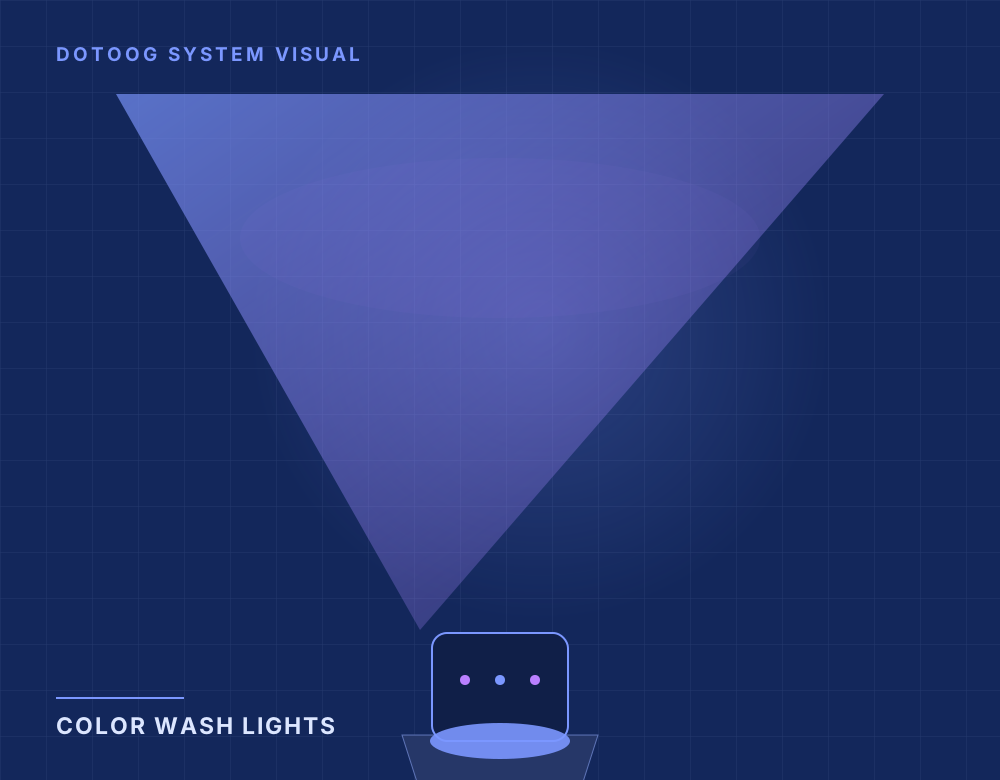
 Color Wash Lights
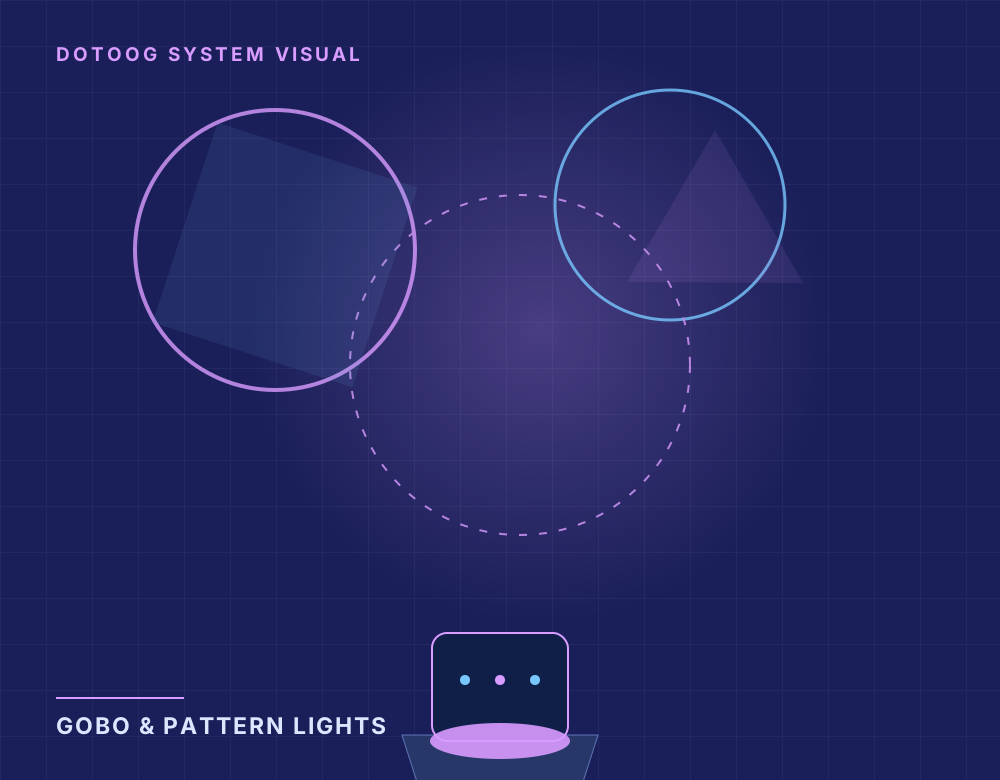 Gobo & Pattern Lights
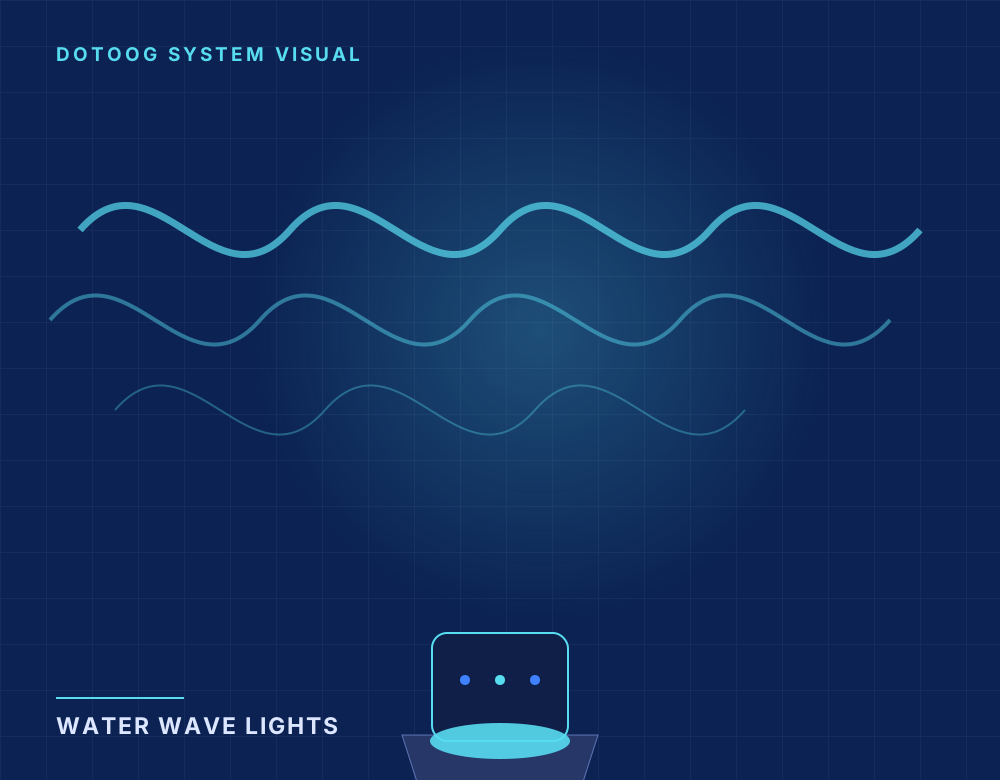 Water Wave Lights
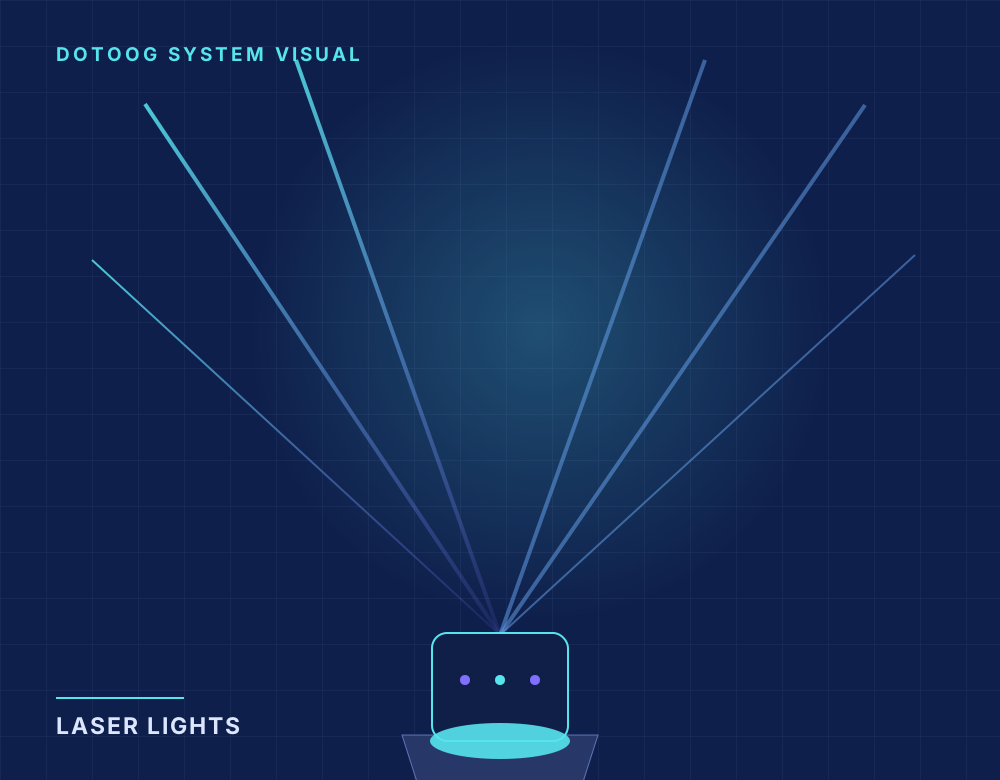 Laser Lights
 Beam Lights
 Mapping Projectors
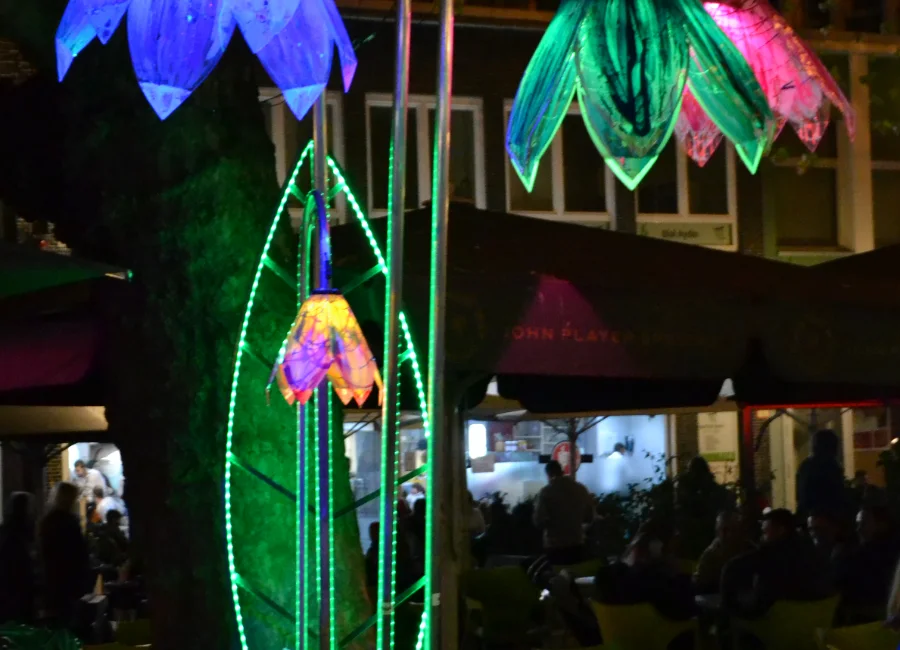
ILLUSTRATIVE REFERENCE · LANDSCAPE
Garden & Scenic Walkways
Layered color washes, tree illumination and pathway effects for visitor journeys.
From visitor-route planning to lighting design, equipment configuration and delivery support — a practical system approach for scenic destinations.
The projection plan follows the destination, its cultural story and the way visitors move through the site. Content, surfaces, viewing areas and environmental protection must work as one system.
DOTOOG works as a B2B equipment supplier and project-oriented solution provider. Final configuration depends on approved supplier models, site information and the agreed cooperation scope.
01 / APPLICATION
Create a memorable after-dark route through landscapes, gardens and natural features.
Explore related application →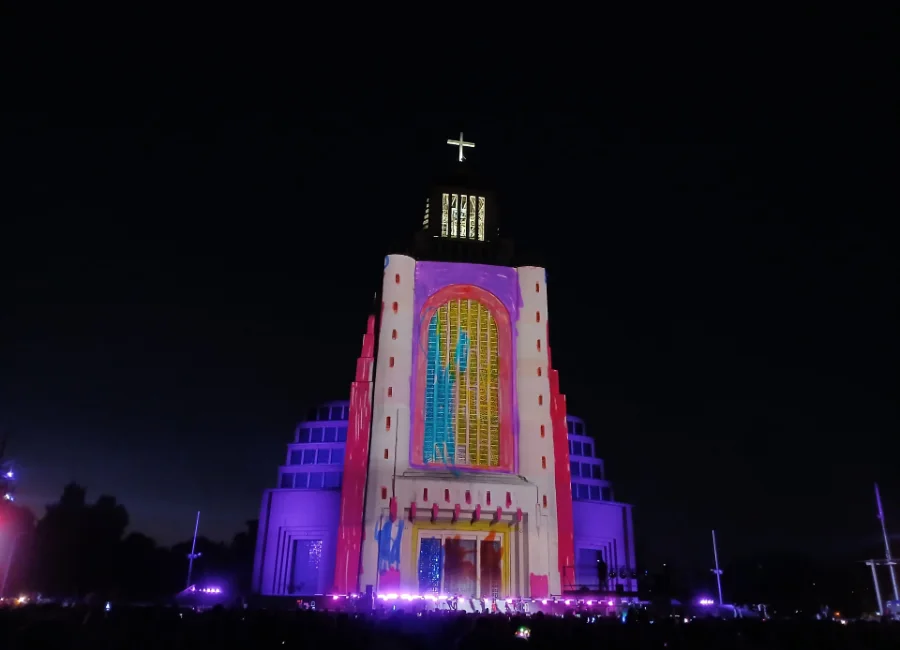 02 / APPLICATION
Interpret architecture, history and local stories with carefully planned projected content.
Explore related application →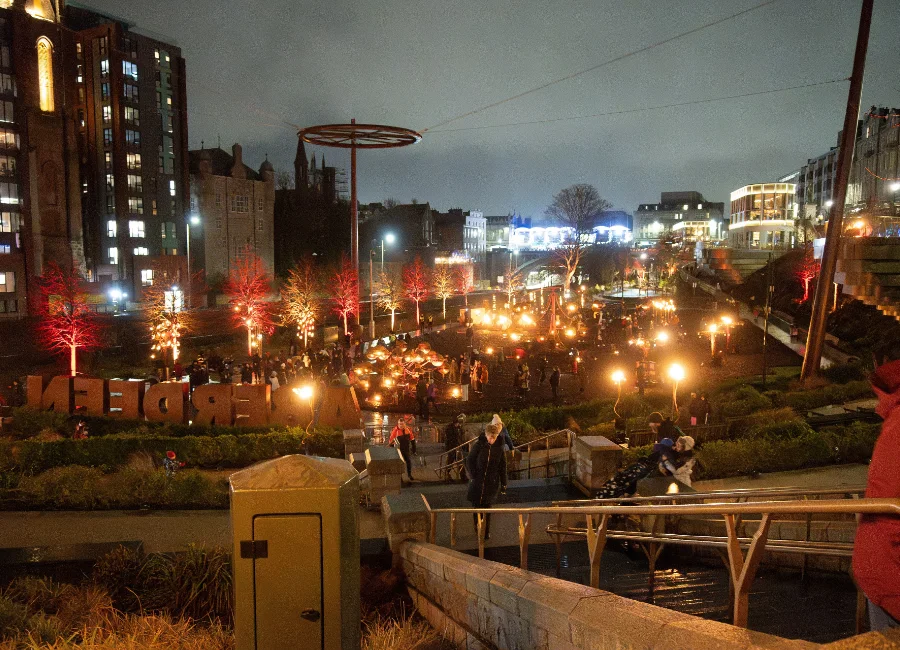 03 / APPLICATION
Turn shared public spaces into gathering places with light and moving imagery.
Explore related application →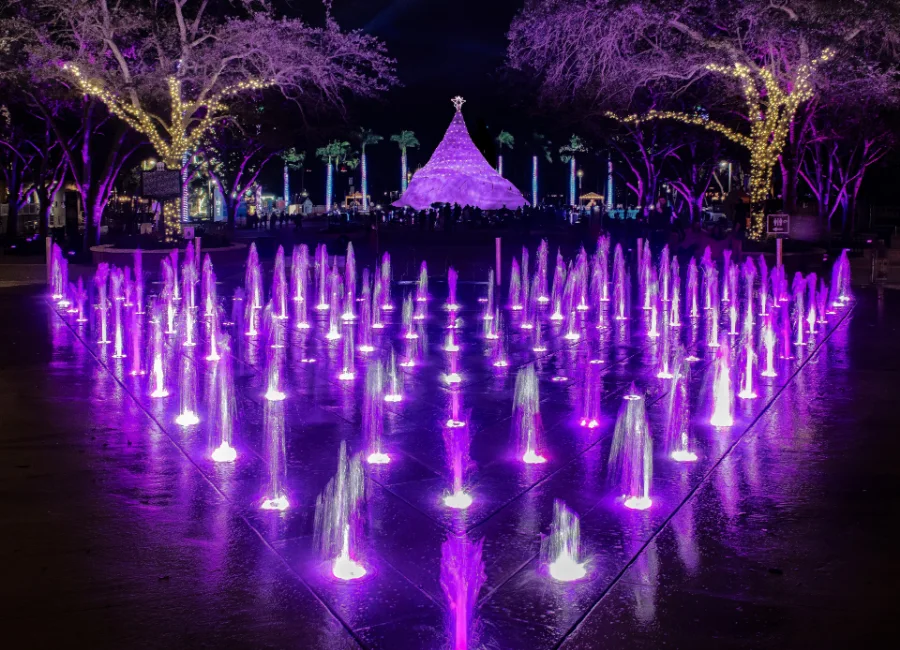 04 / APPLICATION
Connect water, architecture and landscape through coordinated visual scenes.
Explore related application →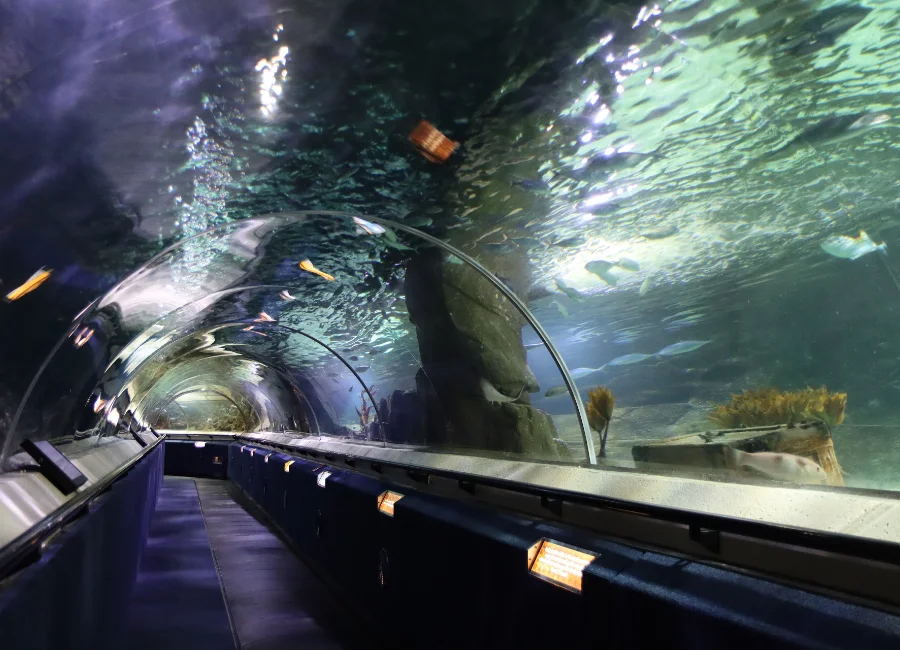 05 / APPLICATION
Add projection-led storytelling to theme parks, museums and visitor routes.
Explore related application →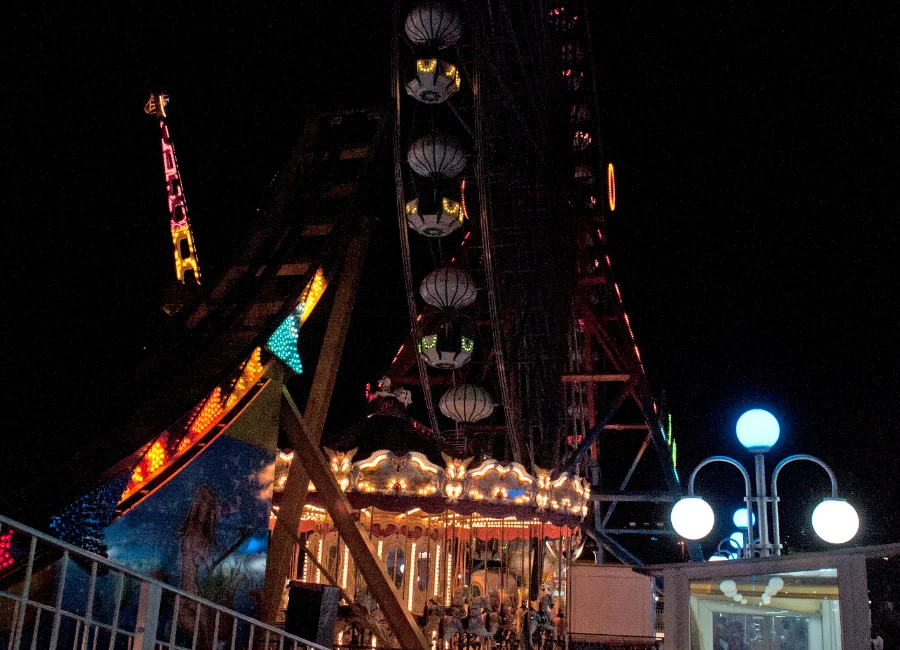 06 / APPLICATION
Create temporary or repeatable shows for festivals, launches and destination campaigns.
Explore related application →We first review the destination layout, visitor circulation, viewing points and practical installation constraints. This gives each lighting zone a clear purpose before fixture selection begins.


Visitor movement: Identify entrances, walking routes, stopping points and safe viewing areas.
Experience zones: Assign atmosphere, highlight moments and projection surfaces to suitable locations.
Site conditions: Review ambient light, access, weather exposure, available power and installation restrictions.
Output: a preliminary lighting-zone plan and the information needed for system design.
Lighting effects are chosen for the role of each area: atmosphere along the route, visual highlights at key stops and coordinated show moments.
Images are visual references only; achievable effects depend on the approved equipment and site conditions.
Once the effects and zones are defined, technical planning addresses fixture locations, projection distances, power distribution, signal transmission and centralized control.
 Conceptual system architecture · Final interfaces and electrical design require project-specific verification
Installation positions, coverage, throw distance and sightlines.
Power supply, weather protection, cable routing and maintenance.
Compatible control protocols, playback synchronization and operating schedules.
Output: Preliminary system diagram, equipment layout plan and integration scope.
These product categories support different effects. Final models and quantities are selected against the site plan and technical requirements.
Product images use existing project asset paths. Confirm model-specific photography and links before publication.
With the preliminary design agreed, DOTOOG can prepare a proposed equipment list and system configuration for review. The quotation is based on the selected models, quantities, accessories and agreed support requirements — not a generic price per square meter.
A clear six-step workflow connecting project planning, equipment configuration and delivery. Service responsibilities are agreed for each project.
Review project goals, location, schedule and requirements.

Evaluate site conditions, routes, power and installation constraints.

Define visual zones, lighting effects and experience concepts.

Arrange delivery and provide agreed technical guidance.

Verify equipment and agreed functions before dispatch.

Confirm equipment, control interfaces and proposal scope.

Site surveys and on-site installation may be performed by the client or local partners, depending on the agreed project scope.
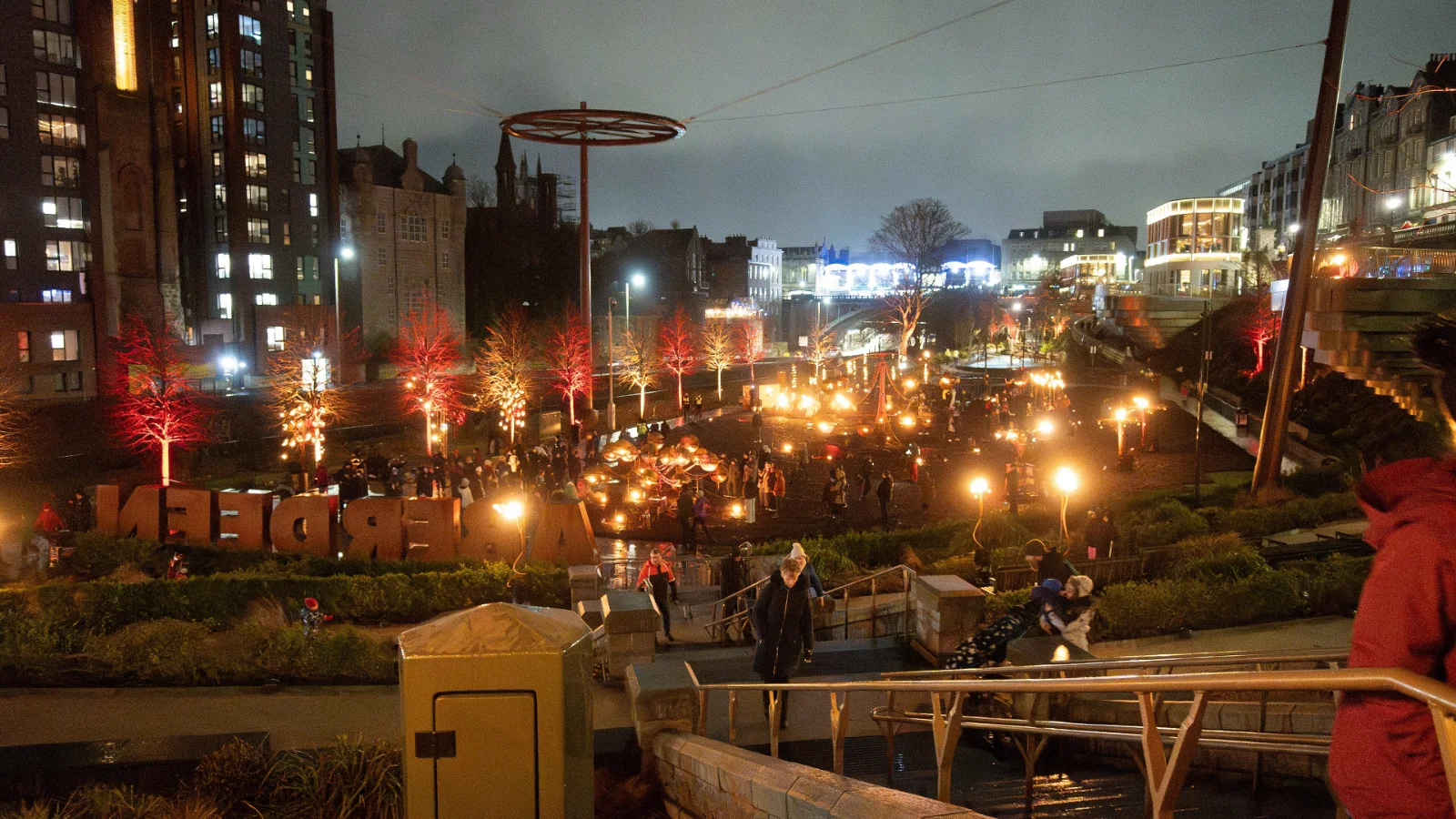
Examples of the environments and visual outcomes that outdoor lighting systems can support. Verified DOTOOG project records can replace these illustrative references when approved.
Layered color washes, tree illumination and pathway effects for visitor journeys.
Architectural lighting and mapped visuals that respond to facade geometry.
Coordinated lighting, reflections and moving textures around water features.
Flexible lighting scenes for seasonal events and destination programming.
Immersive route lighting and dynamic visual accents for themed visitor areas.
Images illustrate application types; they are not presented as completed DOTOOG projects.
Explore project gallery →Site photos or drawings, approximate area or route length, desired effects, project location, schedule and available power information are useful starting points.
Yes, compatible equipment can be coordinated through a planned control system. Interfaces, safety and timing requirements must be checked for the chosen devices.
Pricing follows the proposed equipment list, quantities, accessories, delivery requirements and agreed technical-support scope.
DOTOOG focuses on equipment supply, configuration and agreed technical support. Installation and commissioning responsibilities are confirmed for each project.
Tell us about your destination and the experience you want to create.